



Top Free Learning Platforms for Students!
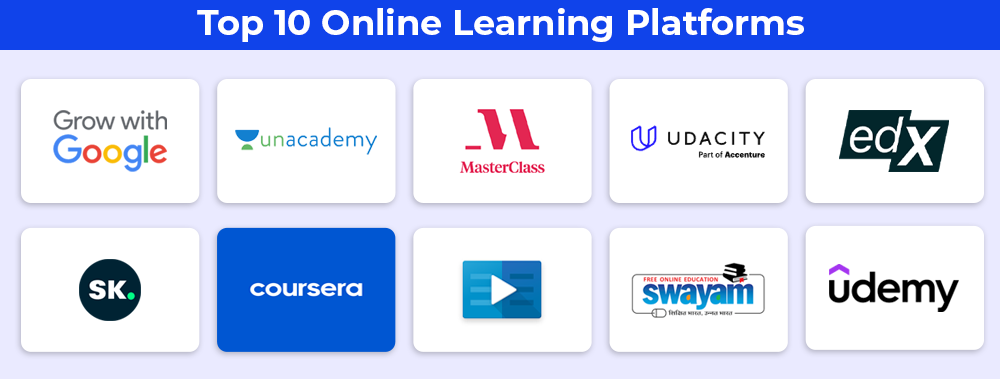
In today’s digital age, education is no longer limited to classrooms, textbooks, or expensive tuition fees. The internet has transformed learning into a flexible, accessible, and often free experience. Students from anywhere in the world can now gain knowledge, develop skills, and even earn certifications without spending money.
Free learning platforms have become especially important for students who want to stay competitive in a rapidly changing world. Whether you want to learn coding, improve communication skills, explore new subjects, or prepare for exams, there are countless platforms available at your fingertips.
But with so many options, one important question arises:
Which free learning platforms are actually worth your time?
In this article, we will explore the top free learning platforms for students, their features, benefits, and how to choose the right one for your learning goals.
Why Free Learning Platforms Matter
Before diving into the list, it’s important to understand why these platforms are so valuable.
1. Accessibility for All
Not every student can afford expensive courses or coaching centers. Free platforms make quality education accessible to everyone, regardless of financial background.
2. Skill-Based Learning
Modern employers value skills more than degrees. These platforms focus on practical, real-world skills that are in demand.
3. Flexibility
Students can learn anytime and anywhere, making it easier to balance studies, hobbies, and other responsibilities.
4. Self-Paced Learning
Unlike traditional classrooms, online platforms allow students to learn at their own pace.
5. Exposure to Global Knowledge
Students gain access to courses created by top universities and experts worldwide.
Top Free Learning Platforms for Students
1. Khan Academy
Khan Academy is one of the most popular free learning platforms, especially for school students.
Key Features:
- Covers subjects like math, science, economics, and more
- Simple, easy-to-understand video lessons
- Practice exercises and quizzes
- Personalized learning dashboard
Best For:
- School students (primary to high school)
- Building strong fundamentals
Why It Stands Out:
Khan Academy focuses on clarity and concept-building, making it perfect for beginners.
2. Coursera
Coursera offers courses from top universities and organizations around the world.
Key Features:
- Courses from universities like Stanford and Google
- Wide range of subjects
- Free access to course content (certificates may cost extra)
- Professional and academic courses
Best For:
- College students
- Career-oriented learners
Why It Stands Out:
It provides university-level education for free, making it highly valuable for serious learners.
3. edX
edX is another top platform offering high-quality courses from leading institutions.
Key Features:
- Courses from Harvard, MIT, and more
- Free learning with optional paid certificates
- Professional and academic programs
Best For:
- Advanced learners
- Students preparing for higher education
Why It Stands Out:
Its academic depth and credibility make it ideal for in-depth learning.
4. Udemy
Udemy is known for its vast library of courses on almost every topic.
Key Features:
- Thousands of free and paid courses
- Practical, skill-based learning
- Topics like coding, business, design, and more
Best For:
- Skill development
- Learning specific tools or technologies
Why It Stands Out:
It offers highly practical courses created by industry professionals.
5. YouTube
YouTube is one of the most underrated yet powerful learning platforms.
Key Features:
- Free videos on almost every subject
- Channels dedicated to education
- Visual and engaging content
Best For:
- Quick learning
- Visual learners
Why It Stands Out:
The variety and accessibility make it a go-to platform for millions of students.
6. Duolingo
Duolingo is a fun and interactive platform for learning languages.
Key Features:
- Gamified learning experience
- Multiple languages available
- Short, engaging lessons
Best For:
- Language learners
- Beginners
Why It Stands Out:
Its game-like design keeps students motivated and consistent.
7. LinkedIn Learning
LinkedIn Learning focuses on professional and career-oriented skills.
Key Features:
- Courses on business, technology, and creativity
- Industry-relevant content
- Integration with LinkedIn profiles
Best For:
- Career development
- Professional skills
Why It Stands Out:
It helps students align learning with career goals.
8. FutureLearn
FutureLearn offers courses from international universities and organizations.
Key Features:
- Short courses and programs
- Interactive learning experience
- Free access to course materials
Best For:
- Exploring new subjects
- Academic enrichment
Why It Stands Out:
Its structured approach makes learning engaging and organized.
9. Skillshare
Skillshare focuses on creative skills like design, photography, and writing.
Key Features:
- Project-based learning
- Creative courses
- Community interaction
Best For:
- Creative students
- Hobby-based learning
Why It Stands Out:
It encourages hands-on learning through projects.
10. Google Digital Garage
Google Digital Garage offers free courses focused on digital skills.
Key Features:
- Courses on digital marketing, data, and career development
- Certification options
- Beginner-friendly content
Best For:
- Digital skills
- Career starters
Why It Stands Out:
Backed by Google, it provides industry-relevant knowledge.
How to Choose the Right Platform
With so many options available, choosing the right platform can be overwhelming. Here’s how you can decide:
1. Identify Your Goals
Ask yourself:
- Do I want to improve academic performance?
- Do I want to learn a new skill?
- Am I preparing for a career?
2. Check Course Content
Look for:
- Updated material
- Practical examples
- Clear explanations
3. Consider Your Learning Style
- Visual learner → YouTube
- Structured learner → Coursera or edX
- Interactive learner → Duolingo
4. Look for Reviews
Check what other students say about the platform or course.
Advantages of Using Multiple Platforms
Using more than one platform can enhance your learning experience.
Example:
- Learn theory on Coursera
- Watch explanations on YouTube
- Practice on Khan Academy
This combination strengthens understanding and application.
Challenges of Free Learning Platforms
While these platforms are powerful, they also have some limitations:
1. Lack of Discipline
Students may struggle to stay consistent without a structured schedule.
2. Overwhelming Choices
Too many options can lead to confusion.
3. Limited Certification Value
Free certificates may not always be recognized by employers.
4. No Personal Guidance
Unlike traditional education, there is limited direct interaction with instructors.
Tips to Maximize Learning
1. Set Clear Goals
Define what you want to achieve before starting a course.
2. Create a Study Schedule
Consistency is key to success.
3. Take Notes
Writing helps improve retention.
4. Practice Regularly
Apply what you learn through projects or exercises.
5. Avoid Multitasking
Focus on one course at a time.
Future of Online Learning
Online education is growing rapidly and is expected to become even more important in the future.
Key trends include:
- AI-powered personalized learning
- Micro-courses and short certifications
- Increased focus on skill-based education
- Hybrid learning models combining online and offline methods
Free platforms will continue to play a major role in shaping the future of education.
Conclusion
Free learning platforms have revolutionized education by making knowledge accessible to everyone. From academic subjects to professional skills, these platforms offer endless opportunities for students to grow and succeed.
Whether you choose Khan Academy for basics, Coursera for advanced learning, or YouTube for quick explanations, the key is to stay consistent and focused.
In the end, the best platform is not the one with the most courses—but the one you actually use effectively.
By combining the right platforms with discipline and curiosity, any student can unlock their full potential without spending a single rupee.