


Motivation & Productivity for Students: A Complete Guide to Achieving Academic Success!
In the modern academic environment, students face numerous challenges that test their focus, determination, and consistency. From managing tight deadlines and preparing for exams to balancing social life and personal responsibilities, student life can often feel overwhelming. In such a scenario, two key elements play a crucial role in determining success: motivation and productivity.
Motivation is the driving force that pushes students to start their tasks, while productivity ensures that the time and effort invested lead to meaningful results. However, maintaining both consistently can be difficult due to distractions, stress, and lack of direction. This article provides a comprehensive guide to understanding motivation and productivity, along with practical strategies to help students achieve their academic goals efficiently.
Understanding Motivation
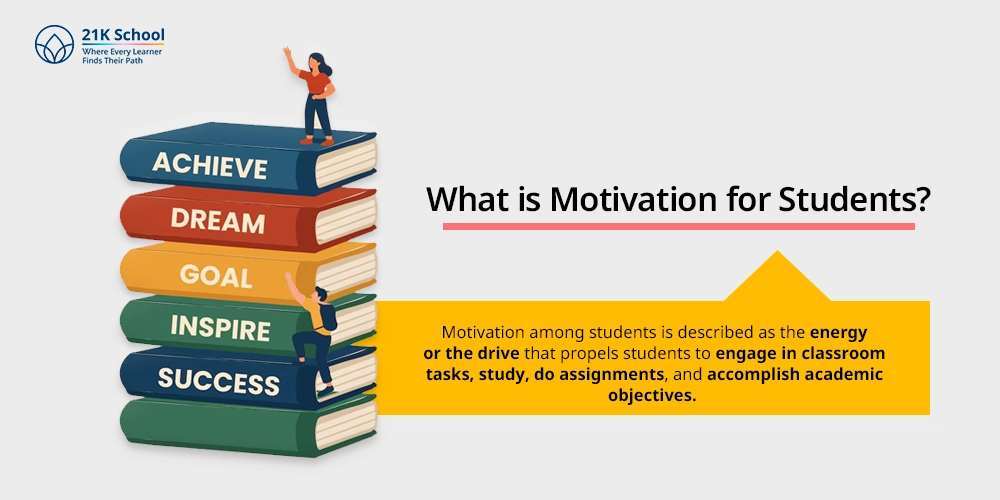
Motivation is the reason behind every action we take. It is what inspires students to attend classes, complete assignments, and strive for excellence.
Types of Motivation
1. Intrinsic Motivation
Intrinsic motivation comes from within. It arises when students genuinely enjoy learning or feel passionate about a subject. For example, a student interested in mathematics may solve problems not because they have to, but because they love the challenge.
2. Extrinsic Motivation
Extrinsic motivation is driven by external rewards such as grades, recognition, or career opportunities. For instance, a student may study hard to secure a scholarship or impress their parents.
Both forms of motivation are important. While intrinsic motivation fosters long-term engagement, extrinsic motivation provides immediate goals and incentives.
The Importance of Productivity
Productivity is about making the best use of time and resources. It is not about studying for long hours but about studying effectively and efficiently.
Why Productivity Matters
- Helps achieve better results in less time
- Reduces stress and last-minute pressure
- Improves focus and time management
- Creates a balance between studies and personal life
A productive student knows how to prioritize tasks and avoid unnecessary distractions.
Challenges Faced by Students
Many students struggle with maintaining motivation and productivity due to several common challenges:
1. Procrastination
Delaying tasks until the last moment leads to stress and poor performance.
2. Distractions
Social media, smartphones, and entertainment can easily divert attention.
3. Lack of Goals
Without clear objectives, students often feel lost and unmotivated.
4. Stress and Burnout
Continuous pressure can affect mental and physical health.
5. Poor Time Management
Inefficient planning leads to wasted time and incomplete tasks.
Strategies to Boost Motivation
1. Set Clear and Achievable Goals
Goal-setting is the foundation of motivation. Break down large goals into smaller, manageable tasks.
Example:
- Long-term goal: Score high in final exams
- Short-term goal: Study one chapter daily
Achieving small goals builds confidence and keeps you motivated.
2. Discover Your Purpose
Understanding why you are studying can make a significant difference. Whether it is achieving financial independence, building a successful career, or making your family proud, your purpose acts as a powerful motivator.
3. Develop a Positive Mindset
Your mindset determines your success. Replace negative thoughts with positive affirmations.
Instead of thinking, “I can’t do this,” say, “I will give my best effort.”
4. Reward Yourself
Rewarding yourself after completing tasks creates a sense of accomplishment and encourages consistency.
5. Stay Inspired
Read success stories, watch motivational videos, or interact with people who inspire you. Positive influences can boost your motivation significantly.
Techniques to Improve Productivity
1. Time Management Techniques
Pomodoro Technique
Study for 25 minutes followed by a 5-minute break. After four sessions, take a longer break.
Time Blocking
Divide your day into blocks dedicated to specific tasks.
2. Prioritize Tasks
Use the priority matrix to categorize tasks based on importance and urgency. Focus on tasks that contribute most to your goals.
3. Create a Study Schedule
A structured timetable helps maintain discipline and consistency. Include time for:
- Study sessions
- Breaks
- Revision
- Sleep
4. Minimize Distractions
- Keep your phone away while studying
- Use website blockers
- Choose a quiet and organized study space
5. Maintain Physical and Mental Health
A healthy body leads to a productive mind.
- Sleep for at least 7–8 hours
- Eat balanced meals
- Exercise regularly
Discipline vs Motivation
Motivation is temporary, but discipline is long-lasting. There will be days when you don’t feel like studying. Discipline ensures that you continue working despite a lack of motivation.
How to Build Discipline
- Follow a routine
- Avoid excuses
- Stay committed to your goals
Consistency is the key to success.
Importance of Breaks
Taking breaks is essential to avoid burnout and maintain focus.
Benefits of Breaks
- Refreshes the mind
- Improves concentration
- Enhances creativity
Short breaks between study sessions can significantly improve productivity.
Effective Study Techniques
1. Active Learning
Engage with the material through discussions, quizzes, and teaching others.
2. Note-Taking
Write clear and concise notes to improve understanding.
3. Regular Revision
Revisiting topics helps retain information for a longer period.
4. Practice Tests
Solving previous papers improves exam performance.
Overcoming Procrastination
1. Start Small
Begin with easy tasks to build momentum.
2. Use the 5-Minute Rule
Commit to studying for just five minutes. Once you start, it becomes easier to continue.
3. Avoid Perfectionism
Focus on completing tasks rather than making them perfect.
Building Good Habits
Habits shape your future. Developing good habits can significantly improve productivity.
Steps to Build Habits
- Start with small changes
- Be consistent
- Track progress
Over time, these habits become a part of your routine.
Role of Self-Reflection
Self-reflection helps identify strengths and weaknesses.
Ask yourself:
- What did I achieve today?
- What can I improve?
This practice leads to continuous growth and improvement.
Using Technology Wisely
Technology can be both a distraction and a tool.
Useful Tools for Students
- Task management apps
- Online learning platforms
- Note-taking apps
Use technology to enhance productivity rather than hinder it.
Staying Motivated During Difficult Times
Every student faces setbacks and failures. The key is to stay resilient.
Tips to Stay Strong
- Accept failures as learning opportunities
- Stay connected with supportive people
- Take breaks when needed
Remember, success is a journey, not a destination.
Balancing Studies and Life
Maintaining a balance between academics and personal life is crucial.
How to Maintain Balance
- Allocate time for hobbies
- Spend time with family and friends
- Avoid overloading yourself
A balanced life leads to better mental health and productivity.
Long-Term Success Strategies
- Stay consistent
- Keep learning and improving
- Stay focused on your goals
Success does not happen overnight. It requires patience, effort, and perseverance.
Conclusion
Motivation and productivity are essential for students aiming to achieve academic and personal success. While motivation provides the initial drive, productivity ensures that efforts are effective and goal-oriented. By setting clear goals, managing time wisely, staying disciplined, and maintaining a positive mindset, students can overcome challenges and unlock their full potential.
Remember, small consistent efforts lead to big results. Every step you take today brings you closer to your dreams. Stay focused, stay determined, and never stop believing in yourself.