

KCET 2026 Latest Updates & Exam Pattern – Complete Guide for Aspirants!
The Karnataka Common Entrance Test (KCET) 2026 is one of the most important state-level entrance examinations for students seeking admission into professional undergraduate courses in Karnataka. Conducted by the Karnataka Examinations Authority (KEA), KCET serves as the primary gateway for admission into engineering, pharmacy, agriculture, veterinary, and other allied health science programs across government and private colleges in the state.
Every year, lakhs of students appear for KCET with the aim of securing seats in top institutions. With increasing competition and evolving admission processes, aspirants must stay updated with the latest notifications, exam patterns, eligibility rules, and preparation strategies. This detailed guide covers everything you need to know about KCET 2026.
Overview of KCET 2026
KCET is designed to assess students’ understanding of core science subjects studied in Class 11 and Class 12 under the Karnataka Pre-University syllabus. Unlike national-level exams, KCET focuses primarily on Karnataka state board content, making it more syllabus-specific.
KCET scores are used for admission into:
-
B.E. / B.Tech (Engineering)
-
B.Pharm & Pharma-D
-
Agricultural Sciences
-
Veterinary Sciences
-
B.Sc. Nursing (as per state norms)
-
Allied Health Sciences
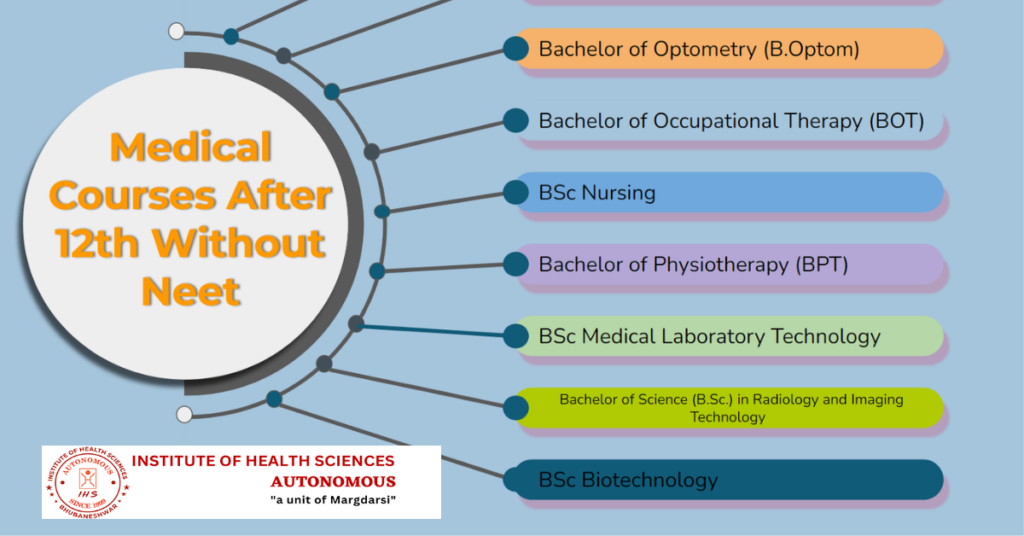
For medical and dental courses such as MBBS and BDS, admissions are conducted separately through NEET, not KCET.
KCET 2026 – Latest Updates
1. Conducting Authority
KCET 2026 will be conducted by the Karnataka Examinations Authority (KEA), which is responsible for the entire process including application, examination, results, and counselling.
2. Tentative Exam Dates
While official notifications may vary slightly, KCET 2026 is expected to be conducted in April 2026. Typically, the exam is held over two days:
-
Day 1: Physics and Chemistry
-
Day 2: Mathematics and/or Biology
Candidates must regularly check the KEA official portal for confirmation of exact dates.
3. Mode of Examination
KCET 2026 will be conducted in offline (pen-and-paper) mode using OMR sheets. Students will need to mark their answers carefully using blue or black ballpoint pens.
KCET 2026 Eligibility Criteria
Before applying for the examination, candidates must ensure they meet the required eligibility conditions.
Basic Eligibility:
-
Must be an Indian citizen.
-
Must have passed or be appearing for 2nd PUC / Class 12 examination.
-
Must have studied Physics and Mathematics as compulsory subjects for engineering courses.
-
For pharmacy or agriculture-related courses, Biology may be required.
Academic Requirements:
For Engineering (B.E./B.Tech):
-
Physics and Mathematics are compulsory.
-
Chemistry/Biology/Biotechnology/Computer Science/Electronics as optional subject.
-
Minimum aggregate marks (as per category guidelines).
For Agriculture & Allied Courses:
-
Physics, Chemistry, and Biology required.
Reservation criteria and domicile requirements apply as per the Karnataka state rules.

KCET 2026 Exam Pattern – Detailed Breakdown
Understanding the exam pattern is essential for effective preparation.
Subjects Covered:
-
Physics
-
Chemistry
-
Mathematics
-
Biology (for specific courses)
Number of Questions:
Each subject paper contains:
-
60 Multiple Choice Questions (MCQs)
Total Marks:
-
60 marks per subject
-
Total 180 marks for PCM candidates
-
Biology candidates will have an additional paper
Duration:
-
80 minutes per subject
-
Each subject conducted in separate sessions
Marking Scheme:
-
+1 mark for every correct answer
-
No negative marking
-
No marks deducted for unanswered questions
The absence of negative marking allows students to attempt all questions without fear of losing marks.
KCET 2026 Syllabus
The syllabus for KCET 2026 is based primarily on the Karnataka 1st and 2nd PUC curriculum.
Physics Topics:
-
Laws of Motion
-
Work, Energy & Power
-
Thermodynamics
-
Current Electricity
-
Magnetism
-
Optics
-
Modern Physics
Chemistry Topics:
-
Atomic Structure
-
Chemical Bonding
-
Thermodynamics
-
Equilibrium
-
Organic Chemistry
-
Coordination Compounds
-
Electrochemistry
Mathematics Topics:
-
Algebra
-
Trigonometry
-
Calculus
-
Coordinate Geometry
-
Probability
-
Vectors & 3D Geometry
Biology Topics:
-
Cell Structure
-
Genetics
-
Human Physiology
-
Plant Physiology
-
Ecology
-
Biotechnology
Students should strictly follow Karnataka PUC textbooks, as many questions are directly based on textbook concepts.
Application Process for KCET 2026
The application process is conducted online through the KEA website.
Steps to Apply:
-
Online Registration
-
Filling Personal & Academic Details
-
Uploading Required Documents
-
Payment of Application Fee
-
Final Submission & Printout
Application Fee (Expected):
-
General Category: Around ₹500
-
SC/ST Category: Reduced fee
-
Outside Karnataka candidates: Higher fee
Students must ensure that all details entered are accurate, as incorrect information may lead to disqualification.
KCET 2026 Admit Card
The admit card is expected to be released approximately 10–15 days before the examination. Candidates must download it from the official KEA website.
Admit Card Includes:
-
Candidate Name
-
Registration Number
-
Exam Centre Details
-
Exam Date & Time
-
Important Instructions
Entry to the examination hall is strictly prohibited without the admit card.
KCET 2026 Result & Ranking
The result is usually declared in May or June 2026.
The ranking system considers:
-
KCET exam marks
-
Class 12 board marks (for specific courses like engineering)
The final rank is calculated using a prescribed formula by KEA.
Students must download their rank card and participate in counselling based on their assigned rank.
KCET 2026 Counselling Process
After the results are declared, qualified candidates must register for the counselling process conducted by KEA.
Counselling Steps:
-
Online Registration
-
Document Verification
-
Option Entry (College & Course Selection)
-
Mock Allotment
-
Final Seat Allotment
-
Reporting to Allotted College
Counselling may have multiple rounds depending on seat availability.
Preparation Strategy for KCET 2026
Scoring well in KCET requires consistency and clarity in concepts.
1. Understand the Syllabus Thoroughly
Stick to Karnataka PUC textbooks. Most questions are directly based on these books.
2. Practice Previous Year Papers
Solving past 10 years’ question papers helps in understanding the pattern and frequently asked questions.
3. Take Mock Tests
Mock tests improve time management and accuracy.
4. Focus on Conceptual Clarity
KCET questions are mostly direct but concept-based. Avoid rote learning.
5. Time Management During Exam
Since each paper is 80 minutes long, students should aim to complete all 60 questions with 5–10 minutes for revision.
Common Mistakes to Avoid
-
Ignoring PUC textbooks
-
Not practicing OMR sheet marking
-
Skipping revision
-
Waiting till last minute to apply
-
Not checking eligibility properly
Why KCET is Important
KCET is one of the most affordable pathways to pursue engineering and professional courses in Karnataka. Government colleges offer quality education at relatively lower fees compared to private institutions.
For students aiming to build careers in engineering, agriculture, pharmacy, and allied sciences, KCET serves as a strong foundation.
Final Words
KCET 2026 is a crucial opportunity for students in Karnataka to secure admission into reputed institutions. With proper planning, disciplined study, and timely updates from the Karnataka Examinations Authority, aspirants can significantly improve their chances of success.
Start your preparation early, focus on textbook concepts, practice consistently, and stay updated with official notifications.
Success in KCET is not just about hard work—it is about smart preparation and strategic planning.