

Career in Coding for Non-Tech Students: A Complete Guide to Starting from Scratch!
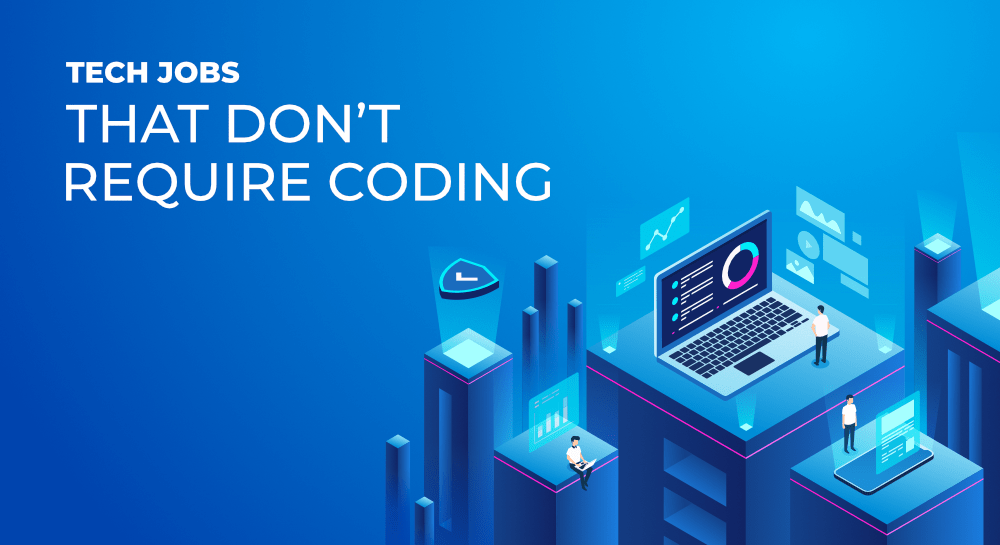
In a world driven by technology, coding has become one of the most valuable skills you can learn. From the apps on your phone to the websites you browse daily, everything is built using code. Traditionally, coding was associated with engineering or computer science students. But today, that narrative has completely changed.
You no longer need a technical degree to build a successful career in coding. Students from commerce, arts, or any non-technical background are entering the tech industry and building rewarding careers. If you’ve ever felt that coding is “not for you” because you didn’t study science or engineering, it’s time to rethink that belief.
This guide will help you understand how non-tech students can start, grow, and succeed in coding careers.
Why Coding is Open to Everyone Today
The biggest shift in the job market today is the move from degree-based hiring to skill-based hiring. Companies are no longer only looking at what you studied in college—they care more about what you can do.
This change has made coding one of the most accessible career options for non-tech students.
1. Skills Matter More Than Degrees
Many companies today hire developers based on their practical knowledge. If you can build a website, create an app, or solve problems using code, you already have value in the job market.
2. Learning Resources Are Everywhere
You don’t need to attend a top engineering college to learn coding. Today, you can learn from:
- Online courses
- YouTube tutorials
- Coding bootcamps
- Practice platforms
This easy access has broken traditional barriers.
3. High Demand for Tech Professionals
Every business today needs a digital presence. Whether it’s an e-commerce platform, a mobile app, or a company website, coding is at the core of it all. This creates continuous demand for skilled professionals.
Can Non-Tech Students Really Learn Coding?
The short answer is yes. Coding is not about your background—it’s about your mindset and consistency.
Think of coding as learning a new language. At first, it may feel unfamiliar and confusing, but with practice, it becomes easier. Many non-tech students actually do very well because they bring different perspectives, creativity, and problem-solving approaches.
Best Coding Career Paths for Non-Tech Students
You don’t have to become a hardcore software engineer right away. There are multiple beginner-friendly roles you can explore.
1. Web Development
Web development is one of the easiest ways to enter the coding world.
What You Will Learn:
- HTML (structure of websites)
- CSS (design and styling)
- JavaScript (interactivity)
Career Opportunities:
- Frontend Developer
- Backend Developer
- Full Stack Developer
Web development is in high demand because every business needs a website.
2. Mobile App Development
If you’re interested in building apps like Instagram or WhatsApp, app development is a great choice.
Technologies:
- Flutter
- React Native
Career Roles:
- Android Developer
- iOS Developer
With the growing use of smartphones, app developers are always in demand.
3. Data Analysis
This is a perfect field for commerce and business students.
Skills Required:
- Excel
- SQL
- Python (basic level)
Career Roles:
- Data Analyst
- Business Analyst
Companies rely on data to make decisions, which makes this role extremely valuable.
4. UI/UX Design
If you are creative and enjoy designing, this field is ideal.
Tools:
- Figma
- Adobe XD
Roles:
- UI Designer
- UX Researcher
This role focuses more on design and user experience, with minimal coding required.
5. Digital Marketing with Tech Skills
This combines marketing with basic coding knowledge.
Skills:
- SEO
- Social media marketing
- Basic HTML
This is a great option for students who enjoy creativity and strategy.
Step-by-Step Roadmap to Start Coding
Starting your coding journey doesn’t have to be complicated. Follow these steps:
Step 1: Choose Your Career Path
Don’t try to learn everything at once. Decide your goal:
- Web developer
- Data analyst
- App developer
This gives you direction.
Step 2: Start with Basics
Begin with simple languages:
- HTML
- CSS
- JavaScript
These are beginner-friendly and widely used.
Step 3: Practice Consistently
Coding is a practical skill. You need to practice daily, even if it’s just for 1–2 hours.
Step 4: Build Small Projects
Start creating:
- Personal websites
- Simple applications
- Portfolio projects
Projects help you learn faster and showcase your skills.
Step 5: Create a Portfolio
Your portfolio is your proof of work. Include:
- Projects
- GitHub profile
- Resume
Step 6: Apply for Opportunities
Start with:
- Internships
- Freelance work
- Entry-level jobs
Experience matters more than perfection.
Challenges Faced by Non-Tech Students
While coding is accessible, there are some common challenges.
1. Fear of Coding
Many beginners feel coding is too difficult. This fear often comes from lack of exposure. Once you start practicing, it becomes manageable.
2. Lack of Guidance
With so many options available, it’s easy to feel confused. Choosing the right course or path can be challenging.
3. Inconsistency
Learning coding requires regular effort. Many students start strong but lose consistency.
Tips to Succeed in Coding
- Start small and grow gradually
- Focus on one skill at a time
- Practice daily
- Learn by doing, not just watching
- Join communities and network with others
Real-Life Success Stories
Many successful developers today started from non-technical backgrounds. Some were commerce students, others from arts or even completely unrelated fields. What they had in common was determination and consistency.
These stories prove that your background does not define your future.
Future Scope of Coding Careers
The future of coding is extremely bright. New technologies are creating more opportunities every day.
Emerging Fields:
- Artificial Intelligence
- Machine Learning
- Cybersecurity
- Cloud Computing
Even if you start with basic coding, you can move into these advanced areas later.
Why Coding is a Smart Career Choice
- High salary potential
- Job security
- Global opportunities
- Remote work options
- Continuous learning and growth
Coding is not just a job—it’s a long-term career with endless possibilities.
Why Now is the Right Time to Start
We are in a digital era where:
- Companies are hiring based on skills
- Remote jobs are increasing
- Learning resources are easily available
Starting now gives you an advantage over others.
Conclusion
A career in coding is no longer limited to engineering students. Non-tech students can successfully enter the tech industry with the right approach, dedication, and mindset.
The journey may seem challenging at first, but every expert was once a beginner. What matters is taking the first step and staying consistent.
If you are willing to learn and put in the effort, coding can completely transform your career and open doors to opportunities you never imagined.
So don’t wait. Start today, build your skills, and create a future that is driven by technology and growth.