


Colleges That Focus More on Practical Skills Than Theory!
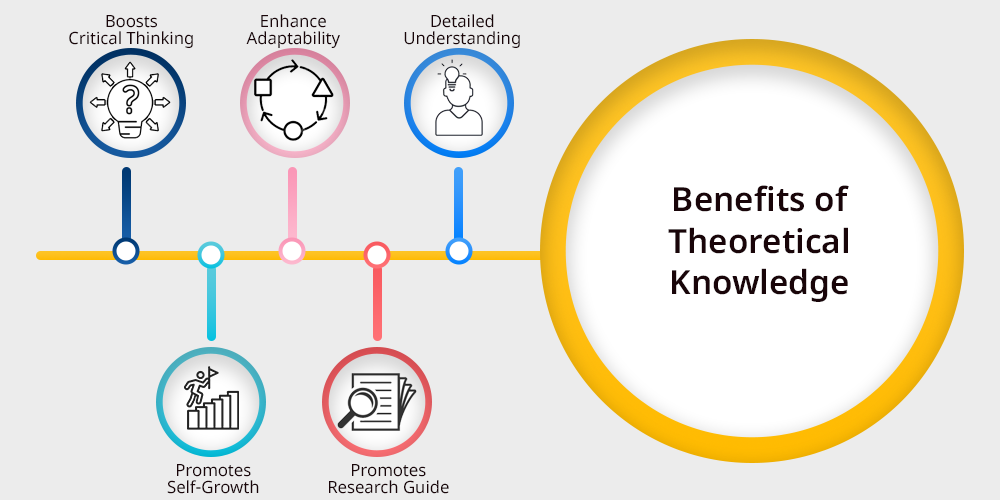
In today’s rapidly changing world, employers are looking for graduates who can do more than just score high marks in examinations. Industries now demand professionals who possess practical knowledge, problem-solving abilities, communication skills, technical expertise, and real-world experience. As a result, many students are moving away from purely theory-based education and choosing colleges that emphasize hands-on learning, internships, live projects, industry exposure, laboratory work, innovation, and skill development.
Traditional education systems often focus heavily on memorization and examinations, while practical-oriented institutions aim to prepare students directly for the workplace. These colleges encourage experiential learning through workshops, case studies, industrial training, startup incubation, simulations, field visits, collaborative projects, and internships with companies.
India has several colleges and universities that are well known for balancing academics with practical implementation. These institutions help students become job-ready and industry-ready even before graduation.
This article explores some of the best colleges in India that focus more on practical skills than theory and explains why practical education is becoming increasingly important.
Why Practical Learning Matters
Practical education helps students apply theoretical concepts in real-life situations. It bridges the gap between classroom learning and industry requirements.
1. Better Job Readiness
Students with practical exposure adapt more quickly in workplaces because they already understand professional environments, tools, and technologies.
2. Improved Problem-Solving Skills
Hands-on learning encourages students to think critically and solve real-world problems rather than simply memorizing answers.
3. Higher Confidence Levels
Working on projects, presentations, and internships boosts confidence and communication abilities.
4. Industry Exposure
Students gain insights into how companies operate and understand industry expectations.
5. Entrepreneurship Opportunities
Practical learning encourages creativity, innovation, and startup culture.
Top Colleges in India That Focus on Practical Skills
1. Indian Institute of Technology Bombay
IIT Bombay is one of the most prestigious engineering institutions in India and is known for combining strong theoretical foundations with practical implementation.
Practical Learning Highlights
- Advanced laboratories and research centers
- Industry-sponsored projects
- Startup incubation support
- Hackathons and innovation competitions
- Internship opportunities with global companies
Entrepreneurship Ecosystem
The institute’s entrepreneurship cell and incubation center encourage students to launch startups and develop real-world products.
Industry Exposure
Students regularly work on live projects with leading technology and engineering companies.
2. Birla Institute of Technology and Science
BITS Pilani is widely recognized for its industry-oriented curriculum and practical approach to education.
Practice School Program
One of the biggest strengths of BITS Pilani is its Practice School initiative, where students work in companies as part of their academic curriculum.
Key Features
- Long-term internships
- Real corporate projects
- Hands-on technical training
- Industry-integrated learning
Why Students Prefer BITS
Students graduate with substantial professional experience, making them highly employable.
3. Vellore Institute of Technology
VIT focuses strongly on practical learning, innovation, and technical skill development.
Practical-Oriented Learning
- Industry certifications
- Capstone projects
- International internships
- Laboratory-intensive curriculum
- Skill-based workshops
Placement Training
Students receive extensive training in aptitude, communication, coding, and technical skills.
Innovation Culture
VIT actively promotes student innovation and startup development through incubation centers.
4. Manipal Academy of Higher Education
Manipal University is known for blending academic learning with practical exposure.
Practical Training Opportunities
- Clinical training in medical programs
- Engineering workshops
- Media production studios
- Industry internships
- Simulation labs
International Exposure
Students often participate in exchange programs and global internships that improve professional skills.
Campus Infrastructure
Modern laboratories and training facilities support experiential learning.
5. SRM Institute of Science and Technology
SRM places strong emphasis on hands-on education and industrial exposure.
Skill Development Focus
- Industry projects
- Research programs
- Technical festivals
- Internship programs
- Practical coding and engineering labs
Industry Partnerships
SRM collaborates with multinational companies to provide skill-oriented certifications and training.
6. Amity University
Amity University focuses on practical training across management, engineering, media, design, and law programs.
Practical Learning Components
- Industry visits
- Corporate internships
- Simulation-based training
- Entrepreneurship support
- Live media and business projects
Professional Development
Students receive grooming in communication, leadership, teamwork, and corporate behavior.
7. Symbiosis International University
Symbiosis is especially known for practical business education and industry interaction.
Hands-On Learning
- Corporate internships
- Business simulations
- Industry case studies
- Live projects
- International exposure programs
Industry Interaction
Executives and professionals regularly conduct workshops and guest lectures.
8. Christ University
Christ University has gained popularity because of its balanced approach toward academics and practical learning.
Practical Education Approach
- Mandatory internships
- Skill-development workshops
- Corporate interaction programs
- Industry projects
- Community engagement initiatives
Holistic Development
The university also focuses on communication skills, teamwork, and leadership activities.
9. Jain University
Jain University emphasizes experiential learning and entrepreneurship.
Practical Learning Features
- Startup incubation support
- Industry certifications
- Skill-based training
- Project-oriented curriculum
- Sports and management exposure
Entrepreneurship Culture
Students are encouraged to build startups and participate in innovation programs.
10. Lovely Professional University
LPU has become one of the largest universities in India focusing heavily on employability and skill development.
Practical Skill Initiatives
- Live industry projects
- Internship programs
- Coding competitions
- Design and innovation labs
- Placement-focused training
Industry Collaboration
The university partners with companies for certification programs and specialized training modules.
11. National Institute of Design
NID is one of India’s top design institutes and follows a highly practical teaching approach.
Practical Learning Model
- Studio-based education
- Product development projects
- Design workshops
- Industry collaborations
- Portfolio-building assignments
Creative Skill Development
Students work on real-world design problems and industry requirements.
12. National Institute of Fashion Technology
NIFT emphasizes practical skills in fashion, design, marketing, and technology.
Hands-On Learning
- Fashion shows
- Design studios
- Textile workshops
- Industry internships
- Brand collaborations
Industry Readiness
Students gain practical experience in fashion production, styling, merchandising, and retail.
Courses That Benefit Most from Practical Learning
Some courses naturally require greater hands-on experience.
Engineering
Practical labs, coding projects, robotics, and industrial training are essential.
Management
Case studies, business simulations, internships, and live projects help students understand corporate environments.
Media and Communication
Studio work, production training, journalism practice, and live event management are critical.
Design and Fashion
Portfolio development and studio learning matter more than textbook theory.
Healthcare and Medicine
Clinical exposure and simulation-based learning are vital for professional competency.
How Colleges Implement Practical Learning
Internship Programs
Most practical-oriented colleges make internships mandatory. Students gain industry experience before graduation.
Laboratory Training
Advanced laboratories help students experiment and understand technical concepts.
Industry Projects
Students solve actual business and engineering challenges through live projects.
Workshops and Certifications
Specialized workshops help students learn modern tools and technologies.
Startup Incubation Centers
Innovation and entrepreneurship are promoted through mentorship and funding support.
Industry Visits
Factory visits and corporate exposure help students understand real work environments.
Benefits of Studying in Practical-Oriented Colleges
Higher Employability
Students become more attractive to recruiters because they already possess workplace skills.
Stronger Professional Network
Industry interaction helps students build valuable professional connections.
Better Communication Skills
Presentations, teamwork, and projects improve interpersonal abilities.
Early Career Clarity
Practical exposure helps students identify their strengths and career interests.
Adaptability
Students learn how to handle real-world challenges and dynamic work environments.
Challenges in Practical Education
Although practical learning offers numerous advantages, there are also certain challenges.
Expensive Infrastructure
Laboratories, workshops, and modern equipment require significant investment.
Need for Industry Collaboration
Colleges must continuously collaborate with companies to maintain relevant training.
Balancing Theory and Practice
A strong theoretical foundation is still important alongside practical learning.
Rapidly Changing Technology
Institutions must frequently update their curriculum and training methods.
Future of Skill-Based Education in India
India’s education system is gradually shifting toward skill-oriented learning. The National Education Policy (NEP) strongly emphasizes experiential education, internships, multidisciplinary learning, and vocational training.
Future trends include:
- Industry-integrated degree programs
- Online practical certification courses
- AI and technology-based training
- Global internships
- Startup-focused education
- Hybrid learning models
Companies are increasingly valuing skills over marks alone, which is encouraging colleges to redesign their curriculum around employability and innovation.
How Students Can Maximize Practical Learning
Even in practical-oriented colleges, students should actively participate to gain maximum benefit.
Participate in Internships
Real workplace experience is extremely valuable.
Build Projects
Personal and team projects strengthen technical and creative skills.
Attend Workshops
Certifications and workshops improve industry readiness.
Join Clubs and Competitions
Technical clubs, hackathons, and cultural activities improve leadership and teamwork.
Network with Industry Experts
Building professional relationships helps in career growth.
Conclusion
The modern job market demands more than theoretical knowledge. Employers seek graduates who can solve problems, communicate effectively, adapt quickly, and contribute from day one. Colleges that emphasize practical skills help students become industry-ready and confident professionals.
Institutions like Birla Institute of Technology and Science, Indian Institute of Technology Bombay, Vellore Institute of Technology, Manipal Academy of Higher Education, Christ University, and National Institute of Design have built strong reputations for delivering hands-on, industry-focused education.
Choosing a college that prioritizes practical learning can significantly improve career opportunities, professional confidence, and overall personal development. In an era where skills are becoming more important than marks alone, practical education is shaping the future of higher learning in India.