
How to Become a Designer in 2026!
In 2026, design is no longer limited to art or creativity alone—it has become a powerful combination of creativity, technology, and problem-solving. From mobile apps and websites to branding and digital products, designers play a key role in shaping how people interact with the world. Whether it is a simple logo or a complex app interface, design influences user decisions, emotions, and experiences.
With businesses moving online and competition increasing, the demand for skilled designers is at an all-time high. Companies are not just looking for people who can make things look good; they want designers who can understand users, solve problems, and create meaningful experiences. This makes design one of the most promising career options in 2026.
If you are someone who enjoys creativity, thinking differently, and bringing ideas to life, then becoming a designer can be a great career choice.
What Does a Designer Do?
A designer’s role depends on the type of design they specialize in, but the core responsibility remains the same—to create solutions that are visually appealing and functional.
Designers work on:
- Creating visual concepts
- Understanding user needs
- Developing layouts and prototypes
- Improving user experience
- Communicating ideas through design
In simple words, a designer turns ideas into visuals that people can understand and interact with.
Types of Designers in 2026
Design is a broad field with many specializations. Some of the most popular types of designers include:
1. UI/UX Designer
Works on designing digital products like apps and websites. Focuses on both user interface and user experience.
2. Graphic Designer
Creates visual content like logos, posters, social media creatives, and advertisements.
3. Product Designer
Handles the overall design of a product, including research, design, and user experience.
4. Motion Designer
Creates animations, videos, and interactive visuals.
5. Web Designer
Designs websites and ensures they are visually appealing and user-friendly.
6. Fashion Designer
Designs clothing and accessories.
7. Interior Designer
Designs indoor spaces like homes, offices, and commercial areas.
You can choose a field based on your interest and skills.
Why Choose Design as a Career in 2026?
1. High Demand
Designers are needed in every industry—technology, healthcare, education, fashion, and more.
2. Creative Freedom
Design allows you to express your ideas and creativity.
3. Good Salary
Designers are well-paid, especially those with strong portfolios and experience.
4. Freelance Opportunities
You can work independently and earn through freelance projects.
5. Global Opportunities
Design is a global skill. You can work with clients from different countries.
Skills Required to Become a Designer
To succeed in design, you need a mix of creative and practical skills.
1. Creativity
The ability to think differently and come up with unique ideas.
2. Design Principles
Understanding colors, typography, layout, and visual hierarchy.
3. Technical Skills
Knowledge of tools such as:
- Figma
- Adobe Photoshop
- Illustrator
- Adobe XD
4. Problem-Solving
Design is about solving problems, not just making things look good.
5. Communication
You need to explain your ideas clearly to clients and team members.
6. Attention to Detail
Small details can make a big difference in design.
Step-by-Step Guide to Become a Designer in 2026
Step 1: Choose Your Design Field
Decide which type of design interests you the most—UI/UX, graphic design, product design, etc.
Step 2: Learn the Basics
Start with basic design principles and concepts. You can learn through:
- Online courses
- YouTube tutorials
- Design blogs
Step 3: Learn Design Tools
Practice using design tools like Figma, Photoshop, or Illustrator. Start with simple projects.
Step 4: Build a Portfolio
Create a portfolio showcasing your work. Include:
- Sample projects
- Case studies
- Real or practice work
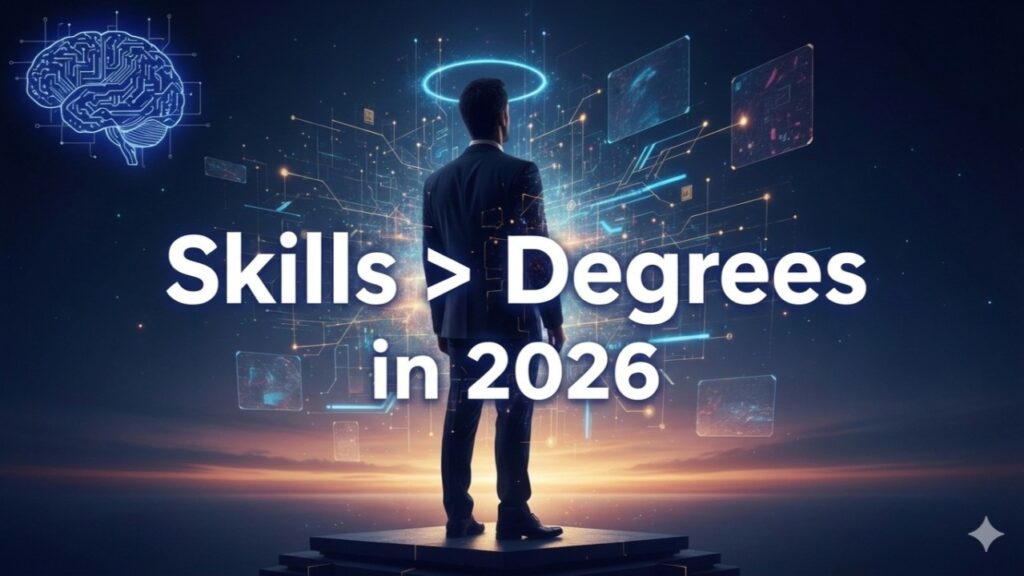
Your portfolio is more important than your degree.
Step 5: Practice Regularly
Design is a skill that improves with practice. Try redesigning apps, websites, or logos.
Step 6: Gain Experience
Work on internships, freelance projects, or collaborations to gain real-world experience.
Step 7: Apply for Jobs
Start applying for entry-level roles such as:
- Junior Designer
- UI/UX Intern
- Graphic Designer
Importance of Portfolio
Your portfolio is your biggest asset as a designer. It shows your skills, creativity, and thinking process.
A strong portfolio should include:
- Problem statement
- Design process
- Wireframes or sketches
- Final output
Even if you don’t have real clients, you can create your own projects.
Tools Every Designer Should Know
In 2026, designers are expected to be comfortable with modern tools. Some popular tools include:
- Figma (UI/UX design)
- Adobe Photoshop (image editing)
- Illustrator (vector design)
- Canva (quick designs)
- After Effects (motion design)
Learning these tools will help you work efficiently and professionally.
Career Growth in Design
Design offers excellent growth opportunities:
- Junior Designer
- Designer
- Senior Designer
- Lead Designer
- Creative Director
With experience, you can also:
- Start your own design agency
- Become a freelancer
- Work with global brands
Challenges in Design Career
1. Competition
Many people are entering the design field, so standing out is important.
2. Continuous Learning
Design trends change frequently, so you must keep updating your skills.
3. Client Expectations
Clients may have different expectations, which can be challenging.
4. Time Management
Handling multiple projects requires good time management.
Future of Design in 2026
The future of design is very exciting. New technologies are changing the way designers work:
Artificial Intelligence (AI)
AI tools are helping designers work faster and smarter.
Augmented Reality (AR) and Virtual Reality (VR)
Designers are creating immersive experiences.
Voice Interfaces
Designing for voice-based systems is becoming important.
No-Code Tools
Designers can now create websites and apps without coding.
These advancements are creating new opportunities for designers.
Freelancing and Remote Work
Freelancing is becoming more popular among designers. It offers:
- Flexible working hours
- Freedom to choose projects
- Opportunity to earn more
However, it also requires discipline and good communication skills.
Tips to Succeed as a Designer
- Keep practicing regularly
- Build a strong portfolio
- Stay updated with trends
- Take feedback positively
- Network with other designers
- Be patient and consistent
Conclusion
Becoming a designer in 2026 is an exciting and rewarding journey. It is a career that combines creativity, technology, and problem-solving. With the growing demand for digital experiences, designers are more important than ever.
You don’t need a perfect background to start. What matters is your passion, willingness to learn, and ability to create meaningful designs. By developing the right skills, building a strong portfolio, and gaining experience, you can build a successful career in design.
Design is not just about making things look good—it is about creating experiences that people love and remember.