

Future-Proof Skills for Students!
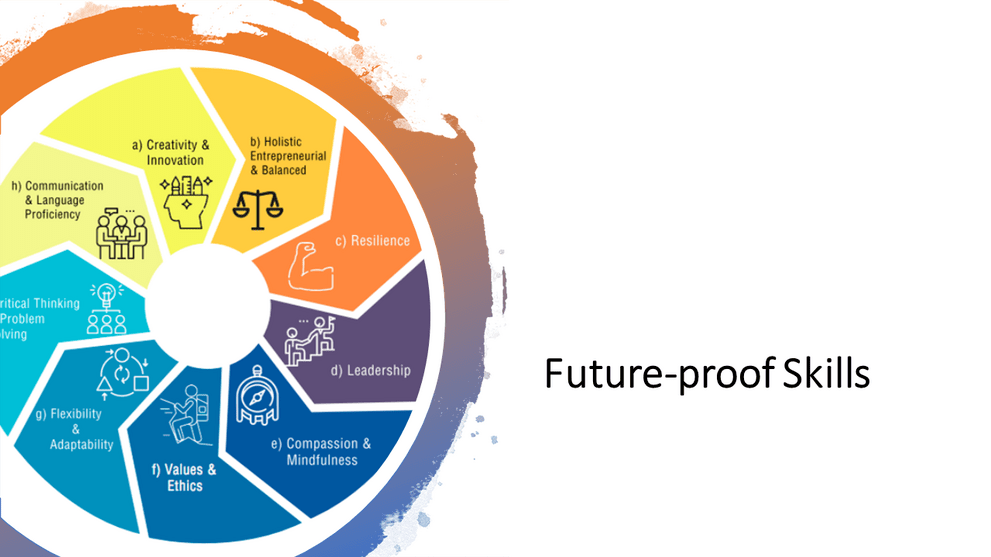
In today’s rapidly evolving world, the concept of a “secure career” is changing. Jobs that existed a decade ago are becoming obsolete, while entirely new roles are emerging due to advancements in technology, globalization, and shifting economic demands. For students, this means that focusing only on academic knowledge is no longer enough. To succeed in the future, they must develop skills that are adaptable, relevant, and resilient—skills that remain valuable despite changes in industries and job markets.
These are known as future-proof skills. They enable students to not only survive but thrive in an unpredictable and competitive world. This article explores the key skills students should focus on to build a strong and sustainable career.
1. Digital Literacy
Digital literacy is the foundation of future-ready skills. In almost every profession, the use of digital tools and platforms has become essential. From communication and research to data analysis and project management, technology plays a central role.
Students should aim to:
-
Understand basic computer operations
-
Use productivity tools like spreadsheets and presentations
-
Be comfortable with online collaboration platforms
Being digitally literate also means staying updated with new technologies and learning how to use them effectively. This skill opens doors to countless opportunities across industries.
2. Critical Thinking and Problem Solving
In a world where information is readily available, the ability to think critically is more important than ever. Employers are looking for individuals who can analyze situations, question assumptions, and make informed decisions.
Critical thinking involves:
-
Evaluating information objectively
-
Identifying patterns and connections
-
Making logical conclusions
Problem-solving goes hand in hand with critical thinking. Students should learn how to approach challenges systematically and come up with practical solutions.
3. Communication Skills
Effective communication is one of the most valuable skills in any field. Whether it’s expressing ideas clearly, writing emails, or presenting in front of an audience, communication plays a key role in success.
Students should focus on:
-
Improving verbal communication
-
Developing strong writing skills
-
Learning presentation techniques
Good communication helps in building relationships, collaborating with others, and conveying ideas effectively.
4. Adaptability and Flexibility
The future is unpredictable, and change is constant. Students must develop the ability to adapt to new situations, technologies, and environments.
Adaptability includes:
-
Being open to learning new skills
-
Adjusting to changes quickly
-
Staying positive during uncertainty
This skill ensures that students remain relevant even as industries evolve.
5. Emotional Intelligence (EQ)
Emotional intelligence is the ability to understand and manage emotions—both your own and others’. It plays a crucial role in personal and professional relationships.
Key components include:
-
Self-awareness
-
Empathy
-
Social skills
Students with high emotional intelligence are better at teamwork, conflict resolution, and leadership.
6. Creativity and Innovation
Creativity is not limited to artistic fields; it is a critical skill in problem-solving and innovation. Companies value individuals who can think outside the box and bring fresh perspectives.
Students can develop creativity by:
-
Exploring new ideas
-
Experimenting with different approaches
-
Engaging in creative activities
Innovation drives progress, and creative thinkers are often at the forefront of change.
7. Time Management and Discipline
Managing time effectively is essential for achieving goals and maintaining productivity. Students often juggle multiple responsibilities, making time management a crucial skill.
Key practices include:
-
Setting priorities
-
Creating schedules
-
Avoiding procrastination
Discipline ensures consistency and helps students stay focused on their objectives.
8. Collaboration and Teamwork
Most modern workplaces require employees to work in teams. The ability to collaborate effectively with others is essential.
Teamwork involves:
-
Respecting diverse opinions
-
Sharing responsibilities
-
Communicating openly
Students should actively participate in group projects and activities to build this skill.
9. Data Literacy
In the digital age, data is everywhere. Understanding how to read, interpret, and use data is becoming increasingly important.
Students should learn:
-
Basic data analysis
-
How to interpret charts and graphs
-
The importance of data in decision-making
Data literacy helps students make informed choices and enhances their analytical abilities.
10. Financial Literacy
Understanding money management is a life skill that every student should develop. Financial literacy helps individuals make smart decisions about saving, investing, and spending.
Key concepts include:
-
Budgeting
-
Saving and investing
-
Understanding loans and credit
Financially literate individuals are better prepared for independence and long-term stability.
11. Networking Skills
Building connections is an important part of career growth. Networking helps students learn from others, gain insights, and discover opportunities.
Students can:
-
Connect with professionals on platforms like LinkedIn
-
Attend seminars and workshops
-
Participate in internships
Strong networks can open doors to new opportunities and career advancement.
12. Leadership Skills
Leadership is not just about managing others; it’s about taking initiative and inspiring people. Students should start developing leadership qualities early on.
Leadership involves:
-
Taking responsibility
-
Making decisions
-
Motivating others
These skills are valuable in both academic and professional settings.
13. Technological Awareness (AI & Automation)
With the rise of artificial intelligence and automation, students must be aware of how these technologies impact their chosen fields.
This includes:
-
Understanding basic AI concepts
-
Using AI tools for productivity
-
Staying updated with tech trends
Technological awareness ensures that students are prepared for the future job market.
14. Resilience and Stress Management
Life is full of challenges, and the ability to handle stress and bounce back from setbacks is crucial.
Students should:
-
Practice mindfulness
-
Develop a positive mindset
-
Learn from failures
Resilience helps in maintaining mental well-being and staying motivated.
15. Continuous Learning Mindset
The most important future-proof skill is the willingness to keep learning. The world is constantly changing, and staying updated is essential.
Students should:
-
Take online courses
-
Read regularly
-
Seek new experiences
A growth mindset ensures long-term success and adaptability.
How Students Can Develop These Skills
Developing future-proof skills requires consistent effort and practical application. Here are some strategies:
-
Participate in internships and real-world projects
-
Join clubs and extracurricular activities
-
Take online courses and certifications
-
Practice communication and teamwork
-
Seek feedback and work on improvement
Students should focus on learning by doing rather than just theoretical knowledge.
Conclusion
The future belongs to those who are prepared for change. In an ever-evolving world, students must go beyond textbooks and focus on developing skills that make them adaptable, innovative, and resilient.
Future-proof skills such as digital literacy, critical thinking, communication, and emotional intelligence are essential for success in any career. By investing time and effort in building these skills, students can create a strong foundation for a bright and secure future.
The journey may be challenging, but with the right mindset and continuous learning, students can confidently navigate the uncertainties of the future and achieve their goals.