

Mock Interview Questions & Answers: Complete Guide to Crack Any Interview!
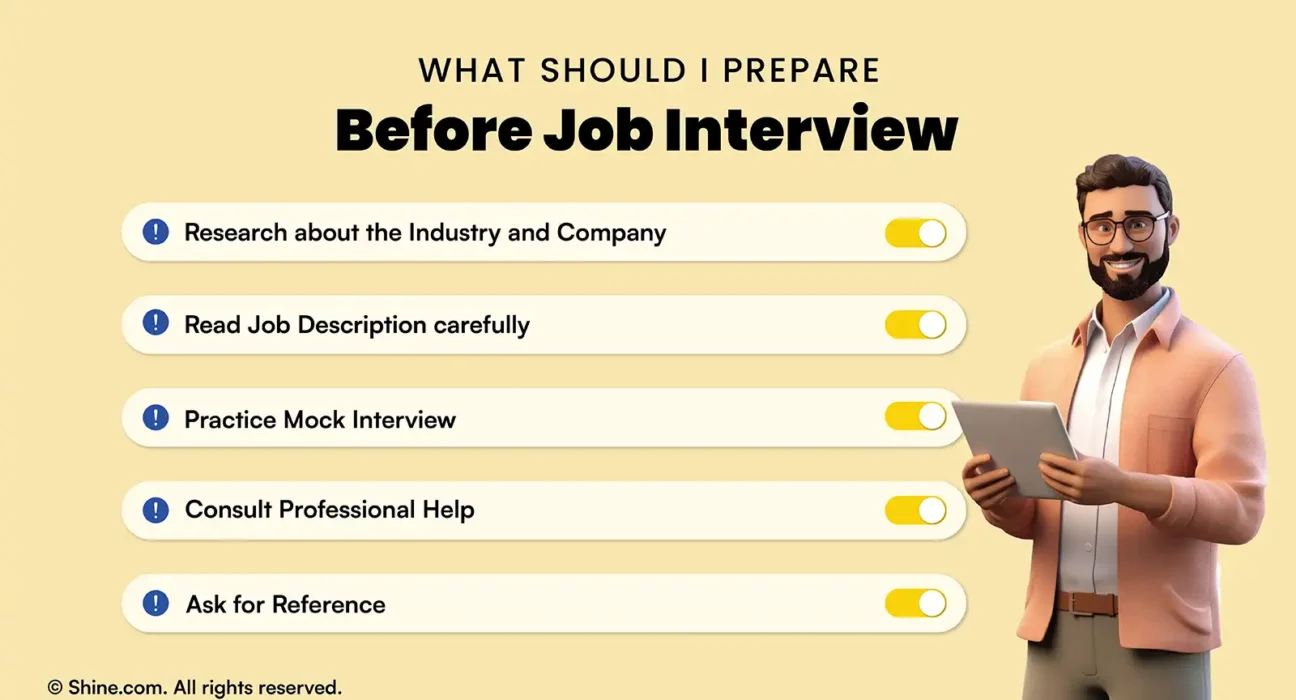
Interviews are one of the most crucial steps in securing a job. No matter how strong your academic background or technical skills are, your performance in the interview ultimately determines whether you get selected. This is where mock interview preparation plays a vital role.
Mock interviews help candidates practice real-life interview scenarios, improve confidence, and identify areas for improvement. By preparing common interview questions and structuring effective answers, candidates can significantly increase their chances of success.
This guide covers the most frequently asked mock interview questions along with sample answers and expert tips to help you perform confidently.
What is a Mock Interview?
A mock interview is a practice session that simulates an actual job interview. It helps candidates understand the interview process and prepare for different types of questions.
Mock interviews can be conducted by:
Friends or mentors
College placement cells
Professional trainers
Online platforms
Practicing mock interviews regularly helps candidates reduce nervousness and improve communication skills.
Types of Interview Questions
Before diving into specific questions, it is important to understand the different types of interview questions.
HR Questions – Focus on personality and behavior
Technical Questions – Test subject knowledge
Situational Questions – Assess problem-solving ability
Behavioral Questions – Evaluate past experiences
Preparing for all these categories ensures a well-rounded performance.
Common HR Interview Questions & Answers
1. Tell Me About Yourself
Sample Answer:
“I am a recent graduate in Computer Science with a strong interest in software development. During my academic journey, I worked on multiple projects involving web development and data structures. I also completed an internship where I gained hands-on experience in coding and teamwork. I am a quick learner, adaptable, and passionate about building efficient solutions. I am now looking for an opportunity where I can apply my skills and grow professionally.”
Tip:
Keep your answer brief, structured, and relevant to the job role.
2. Why Do You Want to Work With Our Company?
Sample Answer:
“I admire your company’s innovation and strong market presence. Your focus on technology and employee growth aligns with my career goals. I believe working here will give me the opportunity to learn from experienced professionals and contribute to meaningful projects.”
Tip:
Research the company before answering this question.
3. What Are Your Strengths?
Sample Answer:
“My key strengths are problem-solving, adaptability, and teamwork. I can quickly learn new concepts and apply them effectively. I also maintain a positive attitude under pressure.”
Tip:
Always support your strengths with examples.
4. What Are Your Weaknesses?
Sample Answer:
“I sometimes focus too much on perfection, which can slow me down. However, I am actively working on improving my time management to balance quality and efficiency.”
Tip:
Mention a genuine weakness and show improvement.
5. Where Do You See Yourself in 5 Years?
Sample Answer:
“In the next five years, I see myself growing within the organization, taking on more responsibilities, and contributing to important projects. I aim to develop both my technical and leadership skills.”
Behavioral Interview Questions
6. Tell Me About a Challenge You Faced
Sample Answer:
“During my final year project, we faced a technical issue that delayed our progress. I took the initiative to research the problem, collaborated with my team, and we successfully resolved it before the deadline.”
Tip:
Use the STAR method (Situation, Task, Action, Result).
7. Describe a Time You Worked in a Team
Sample Answer:
“In one of my college projects, I worked in a team of four members. We divided responsibilities based on our strengths and maintained regular communication. This helped us complete the project successfully.”
8. How Do You Handle Pressure?
Sample Answer:
“I stay calm under pressure and focus on prioritizing tasks. I break down complex problems into smaller steps and work systematically to solve them.”
Technical Interview Questions
9. What Programming Languages Do You Know?
Sample Answer:
“I am proficient in Java and Python. I have used Java for building applications and Python for data analysis and scripting.”
10. Explain Data Structures
Sample Answer:
“Data structures are ways of organizing and storing data efficiently. Common examples include arrays, linked lists, stacks, and queues.”
11. What is Object-Oriented Programming?
Sample Answer:
“Object-Oriented Programming (OOP) is a programming paradigm based on objects and classes. It includes concepts like encapsulation, inheritance, polymorphism, and abstraction.”
Situational Interview Questions
12. What Would You Do If You Miss a Deadline?
Sample Answer:
“I would immediately inform my manager, explain the situation, and work on a solution. I would also analyze what went wrong and take steps to avoid it in the future.”
13. How Would You Handle Conflict in a Team?
Sample Answer:
“I would listen to all perspectives, remain neutral, and try to find a solution that benefits the team. Communication is key in resolving conflicts.”
Important Tips for Mock Interviews
Practice Regularly
Regular practice helps improve confidence and reduces nervousness.
Record Yourself
Recording mock interviews helps identify mistakes in communication and body language.
Get Feedback
Constructive feedback from mentors can help you improve.
Work on Body Language
Maintain eye contact, sit straight, and use appropriate gestures.
Improve Communication Skills
Clear and confident communication creates a positive impression.
Common Interview Mistakes to Avoid
Lack of preparation
Overconfidence
Poor communication
Not researching the company
Giving vague answers
Avoiding these mistakes can significantly improve your performance.
Importance of Confidence
Confidence plays a major role in interviews. Even if you are not sure about an answer, presenting it confidently can create a positive impression.
Confidence can be built through:
Practice
Preparation
Positive mindset
Role of Mock Interviews in Placement Success
Mock interviews simulate real interview environments and prepare candidates for actual scenarios. They help in:
Reducing anxiety
Improving performance
Identifying weaknesses
Building confidence
Students who regularly practice mock interviews are more likely to succeed in real interviews.
Final Tips to Crack Any Interview
Prepare thoroughly
Practice mock interviews
Stay updated with industry trends
Be honest and confident
Learn from mistakes
Conclusion
Mock interviews are one of the most effective ways to prepare for job interviews. They help candidates understand the process, improve communication, and build confidence.
By practicing common interview questions and structuring strong answers, candidates can significantly improve their chances of success. Remember, interviews are not just about answering questions—they are about presenting yourself as the right candidate for the job.
With consistent practice, proper guidance, and a positive attitude, anyone can crack interviews and achieve their career goals.